Why a deadbolt?
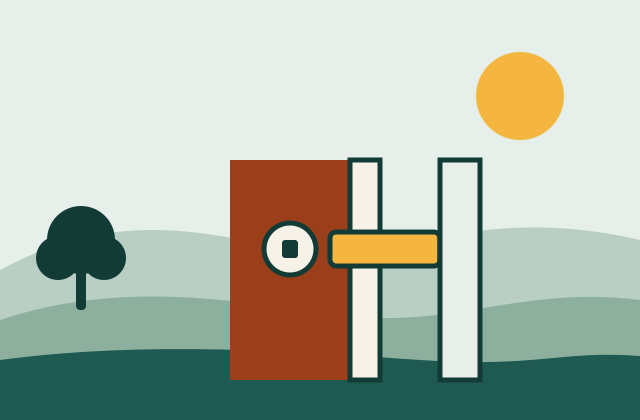
A spring latch in a knob can sometimes be slipped with a thin tool. A deadbolt’s bolt is solid and only moves when the key or thumb-turn is used, which makes it much harder to force.
ANSI/BHMA grades
- Grade 1: the highest residential and light-commercial rating. A strong choice for front doors and the door into the garage.
- Grade 2: good for most residential doors.
- Grade 3: basic; fine for low-risk interior use.
Single or double cylinder?
A single-cylinder deadbolt has a key outside and a thumb-turn inside. A double-cylinder deadbolt needs a key on both sides. Double-cylinder locks can slow an exit in a fire, and fire codes may restrict them, so most homes use single-cylinder deadbolts. Ask the locksmith what’s allowed for your door.
Smart and keypad deadbolts
Keypad deadbolts let you share codes instead of keys. Choose one with a high grade, keep a mechanical key backup and change the batteries on a schedule.
The strike plate matters
Most break-ins defeat the door frame rather than the lock. A reinforced strike plate with long screws that reach the wall stud makes a big difference. Ask for it when your deadbolt is installed.
Getting it fitted
Lock changes start at $25.00 for basic locks plus the service call fee, and new lock installation on a door without a hole starts at $85.00. See the price list and residential services.
Need help now?
Call 818-736-0446 to check availability, or see our emergency, residential, automotive and commercial services.